Virtual reality casino gaming has been simmering on the horizon for years, but the headsets in 2026 are finally light enough, the lobbies finally polished enough, and the live-dealer streams finally low-latency enough that the experience no longer feels like a tech demo. For Australian adults who already manage a weekly punt on the footy or the ponies, the appeal is straightforward: you walk into a digital venue wearing a Meta Quest or a PlayStation VR2, sit at a blackjack table that looks like Crown Melbourne at midnight, and chat with a real human dealer through a microphone. The novelty wears off after roughly twenty minutes, but the underlying mechanics – RNG certification, payment rails, wagering requirements – are the same ones a casino-floor analyst like myself has been modelling for fifteen years. That overlap is what separates a gimmick from a product worth taking seriously.
What the Experience Actually Looks Like From Inside the Headset
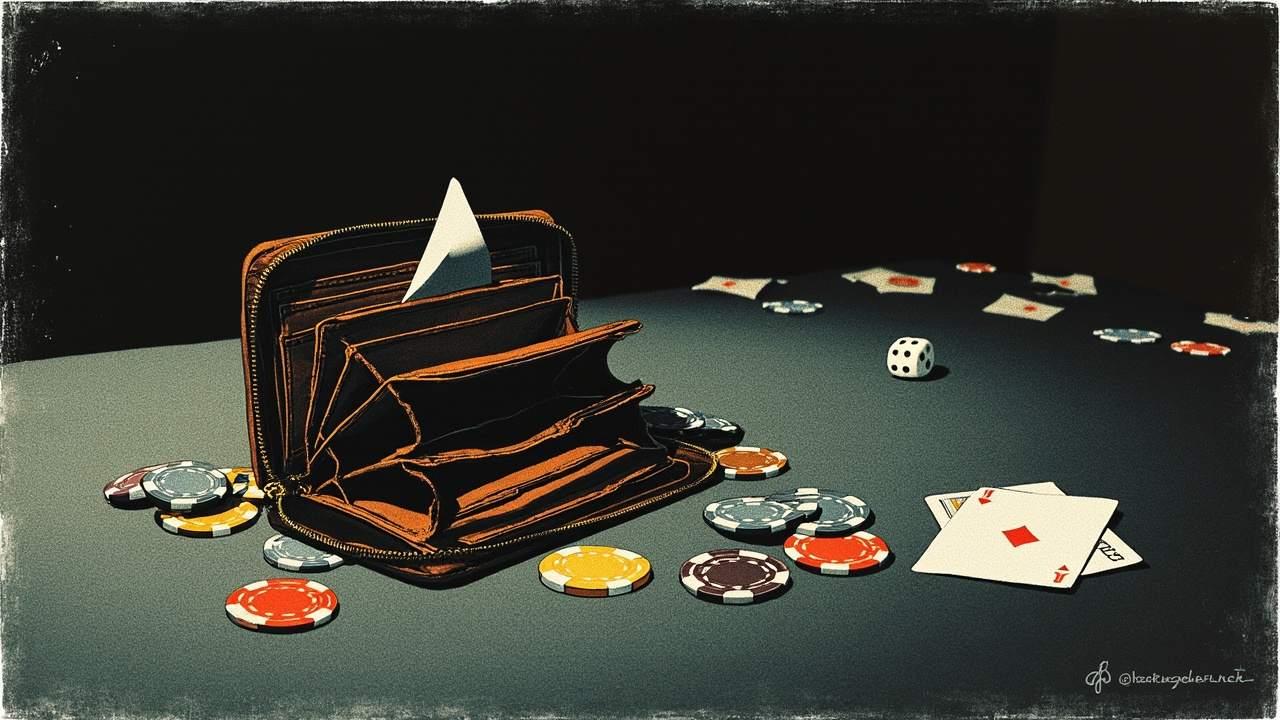
The first session usually starts in a faux-foyer, complete with a chandelier that does absolutely nothing for your RTP. You select a table, the avatar you chose during sign-up gestures politely, and within a couple of seconds you are seated. Tables are rendered in three dimensions, the cards have actual thickness, and chips clatter when you stack them. Audio is positional, so when a punter in Sydney tells a joker joke at the table, the sound genuinely arrives from his side of the felt rather than from one flat speaker. A handful of providers – Evolution, Pragmatic Play Live, and a new outfit called Nullarbor VR Studios – now stream dealer-led games straight into these lobbies, so the human element is real, not synthesised. Noah Evans, Affiliate Partnerships Director at Nullarbor Gaming Analytics, told me that “the studios have spent the past eighteen months getting hand-tracking latency below 40 milliseconds, because anything above that and players feel betrayed by the hardware.” That number matters more than any marketing claim you’ll read about immersion.
Banking, Bonuses, and the Fine Print Behind the Velvet Ropes
This is where my day job kicks in, because the headset is decoration until you try to withdraw. Deposits at the major VR-friendly operators flow through POLi, PayID, BPAY, and a few crypto rails, with minimums typically sitting between A$10 and A$20. Withdrawals on the same providers usually clear within twenty-four hours once your account is verified – and verification remains the part players most often shortcut, to their own cost. The Interactive Gambling Act still treats offshore VR casino sites in the same bucket as standard offshore casino sites: they are not licensed by ACMA, they are not regulated by state gaming authorities, and your only recourse if a payout stalls is the operator’s own complaints desk. That is a meaningful distinction, particularly for someone used to walking into Crown Perth or Crown Melbourne and trusting the cashier’s window because a regulator is watching the building behind it. Bonuses inside the VR lobbies tend to mirror desktop offers – match deposits of 50-100 percent, wagering requirements in the 30-45x range, and free-spin bundles tied to specific pokies. Nothing about the headset changes the maths, which is precisely the point.
Responsible Play, Confirmation Bias, and Why the Headset Can Cut Both Ways
Immersion is a double-edged product. A player who already struggles to keep a session to an hour on a laptop can easily lose three hours inside a VR casino without noticing, simply because the room around them has disappeared. Every serious operator in this space now bakes in reality-check pop-ups at thirty or sixty-minute intervals, deposit ceilings configurable per session, and direct links to Gambling Help Online (1800 858 858) and to the state-level services in Western Australia, New South Wales, and Victoria. The behavioural traps are familiar to anyone who has spent time on a gaming floor: confirmation bias makes gamblers remember evidence supporting their systems, so after a winning VR blackjack hand the player mentally files away a “system that works,” ignores the nine losses that came before, and credits the headset with luck it did not produce. On the other hand, a well-designed VR lobby makes the maths visible – every bet, every outcome, every session length stamped on a translucent overlay you can summon with a flick of the wrist. When that overlay is honoured, the format actually nudges players towards more disciplined play than a scrollable browser window ever managed.

How VR Stacks Up Against the Phone in Your Pocket
A punter in Perth who usually bets on the Dockers from the couch already has a perfectly good betting app, and the legitimate ones regulated under the WA Gaming and Wagering Commission behave predictably. What VR adds is social texture: voice chat with other avatars at the table, dealer banter that is not flattened into a phone speaker, and a sense of place that flat 2D streams have tried and failed to imitate for a decade. What it costs is hardware (roughly A$600-A$1,200 for a current headset), a sturdy home NBN connection, and a tolerance for the occasional motion-sickness wobble during long sessions. For casual pokies fans, the maths rarely justify the gear. For table-game players who care about the rhythm of a live dealer, the trade-off is closer to even. If you want to see how a polished bonus structure looks before you commit to the headset, the promos at Royal Reels read like a useful reference point for what a credible welcome package should contain; the payout picture for Skrill users at new operators is sketched out in more detail over at Skrill withdrawal guide. Overall, virtual reality casino gaming is no longer a novelty, but it is also not a substitute for the regulated Australian venues – it sits beside them, useful on its own terms if you go in with a budget, a timer, and your wits about you.